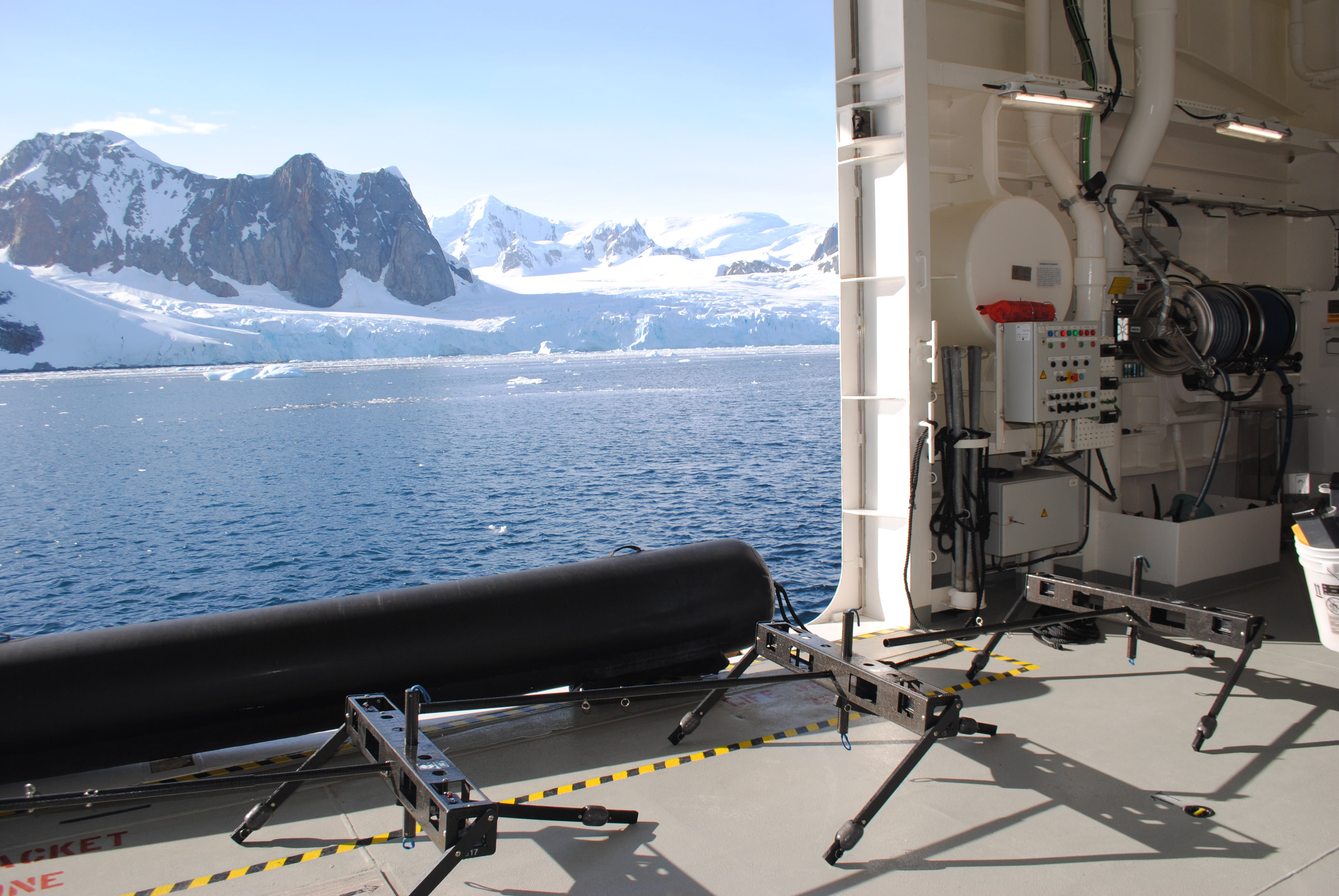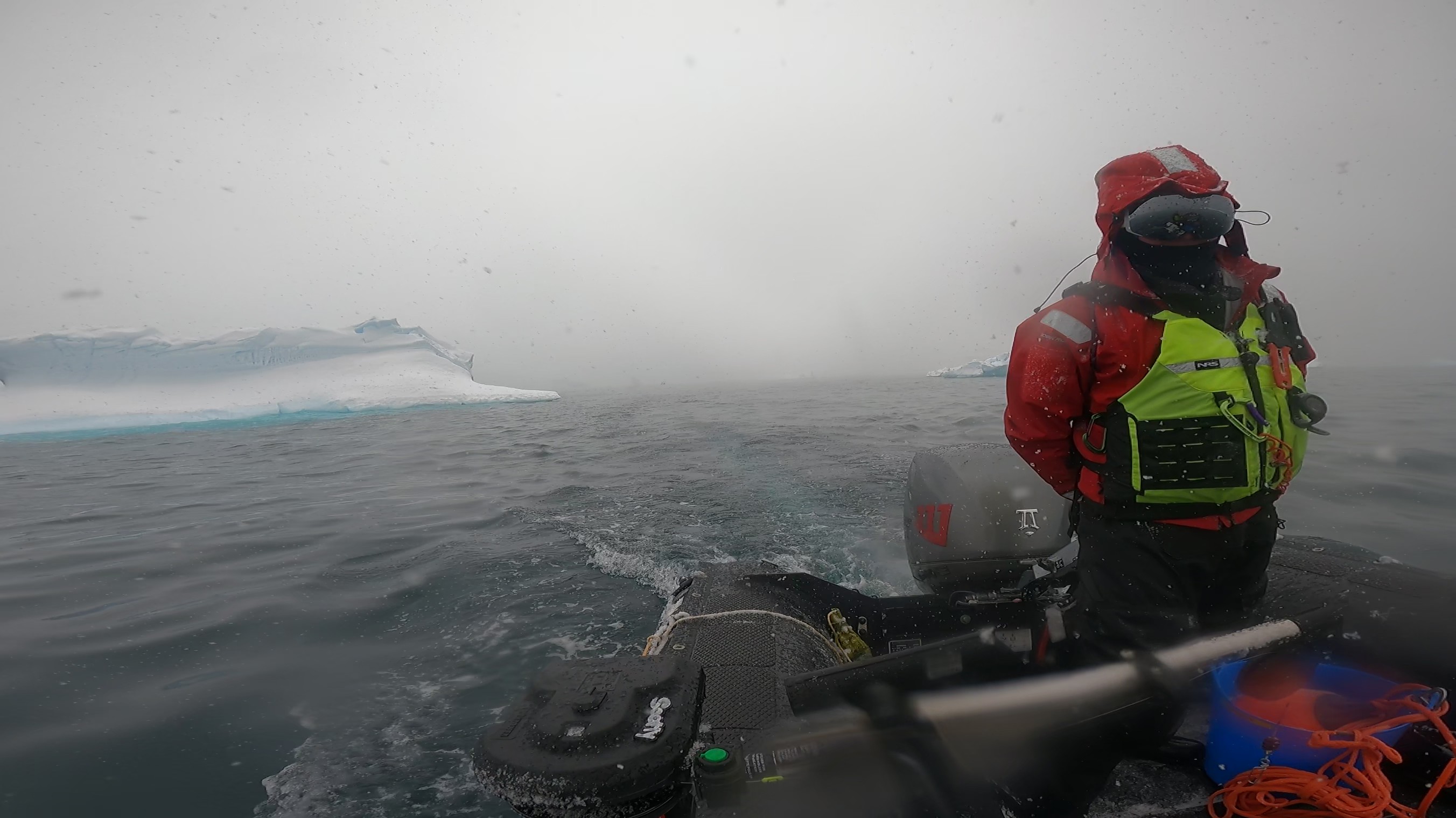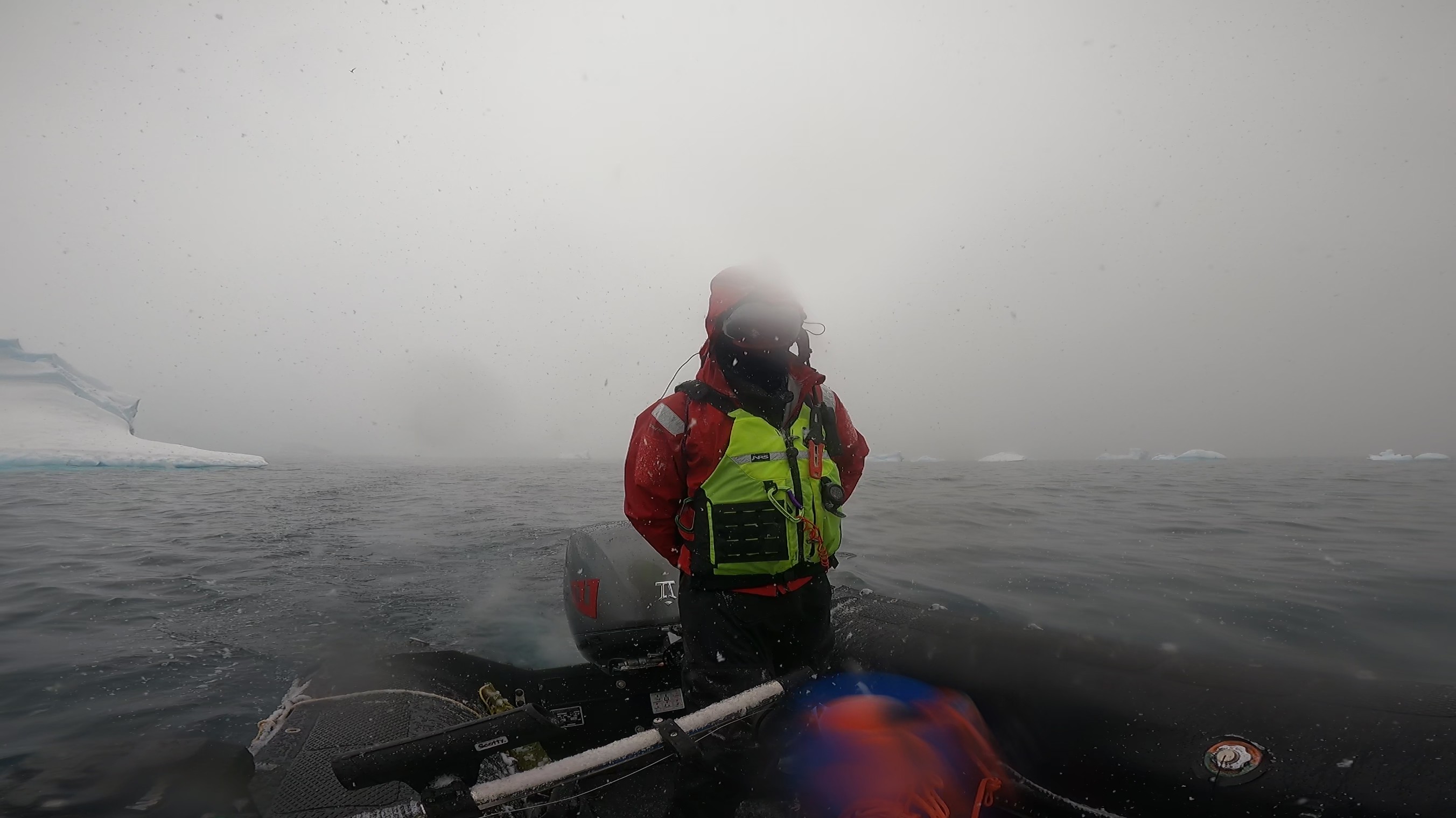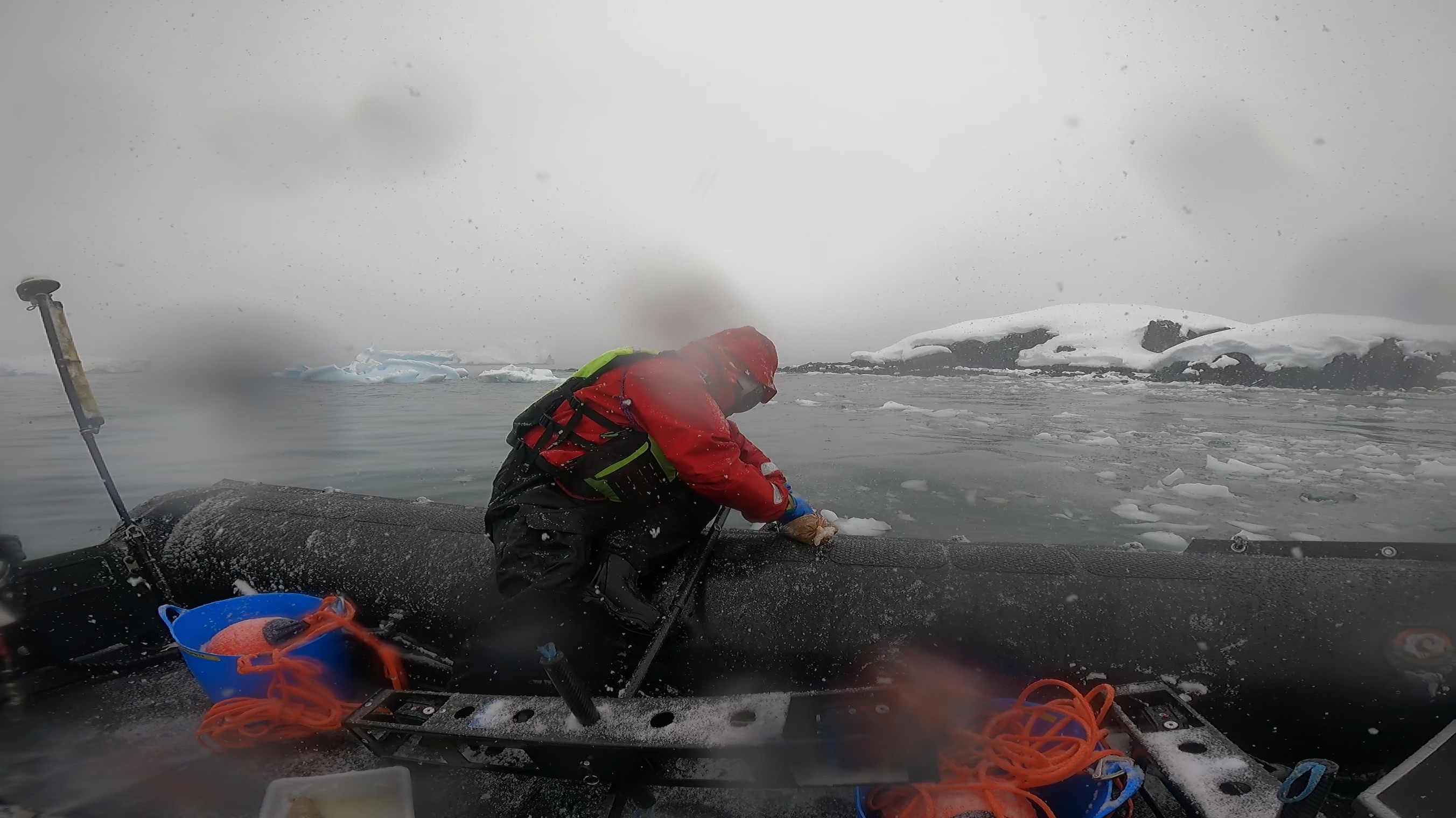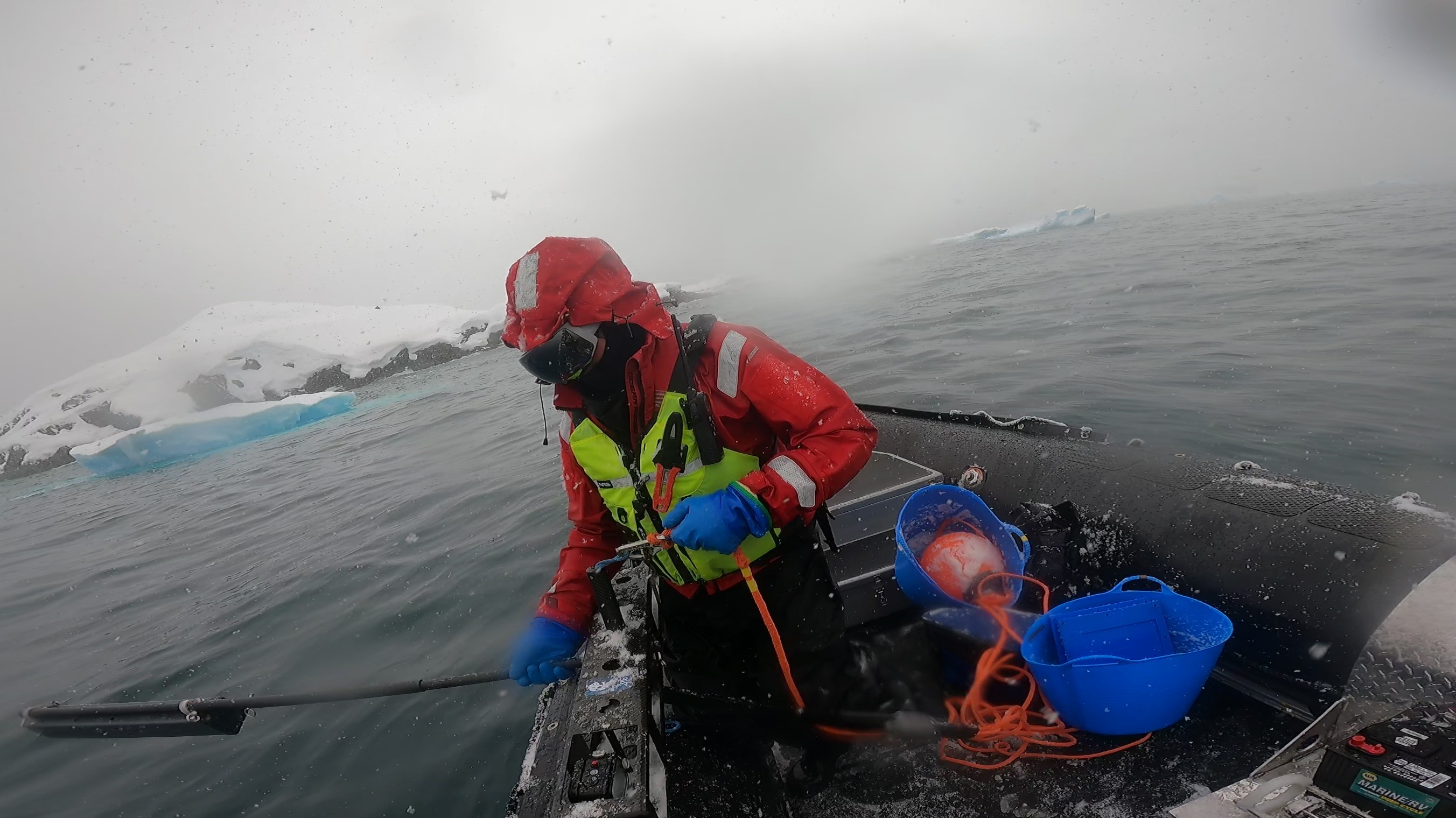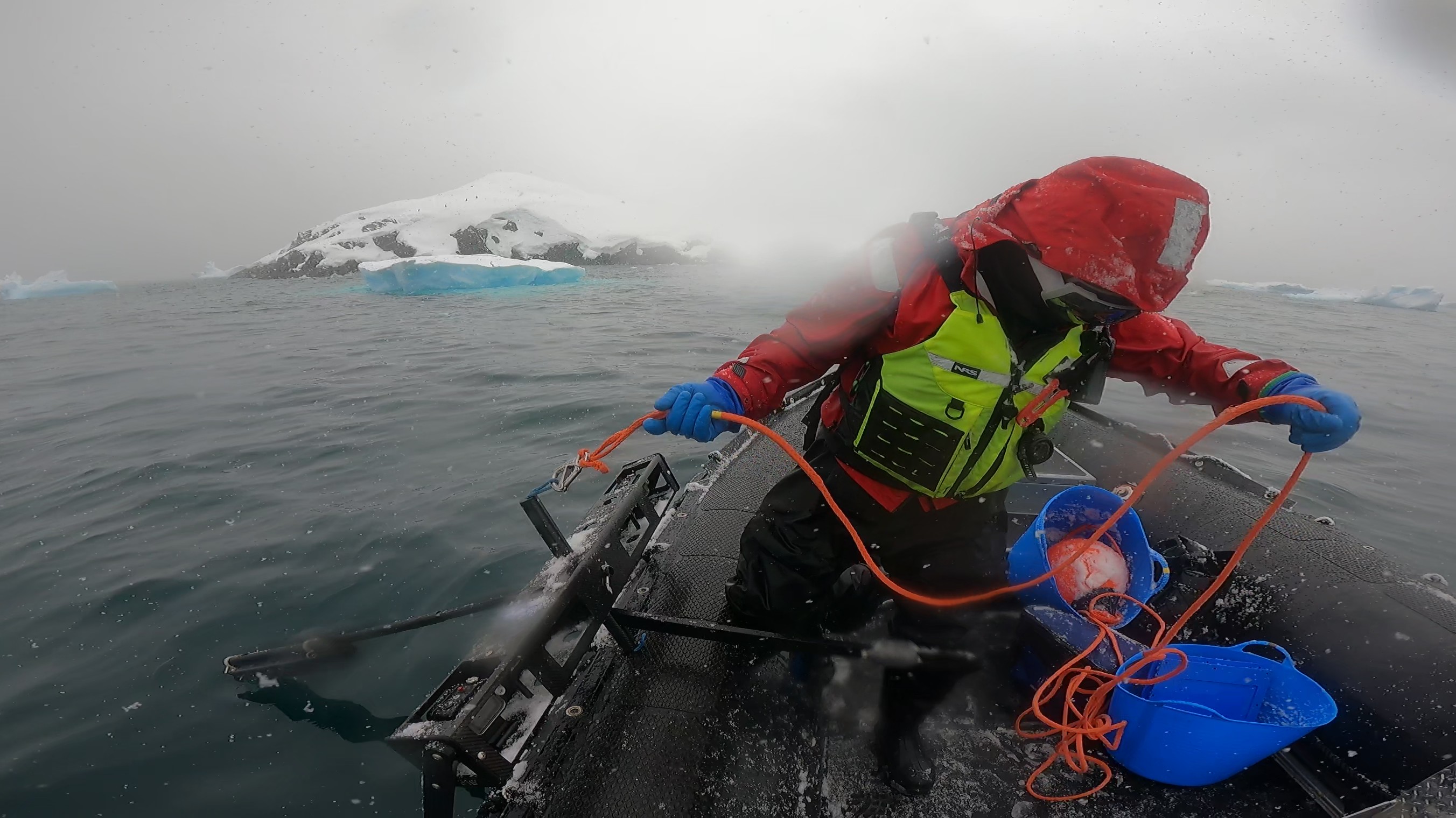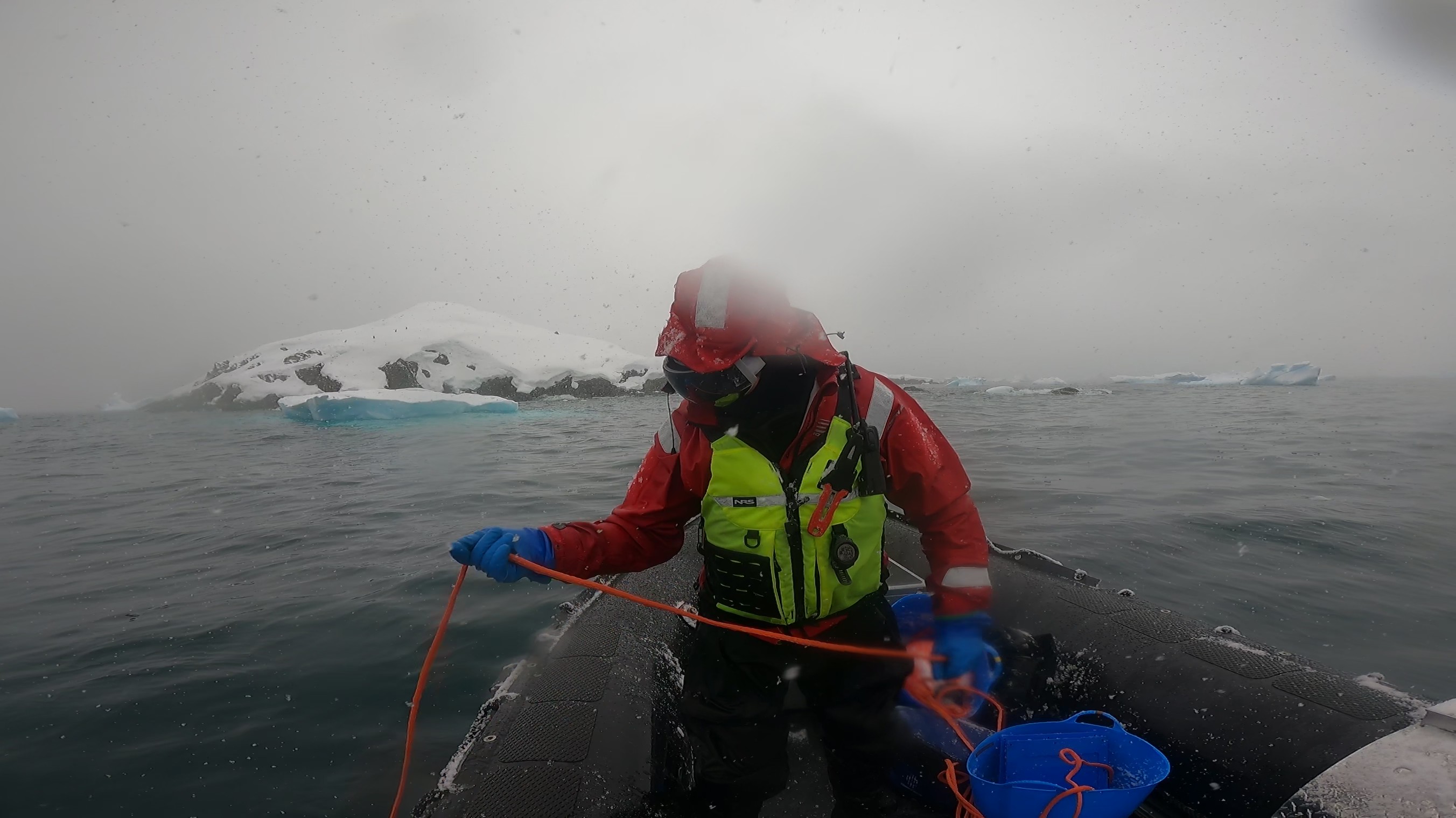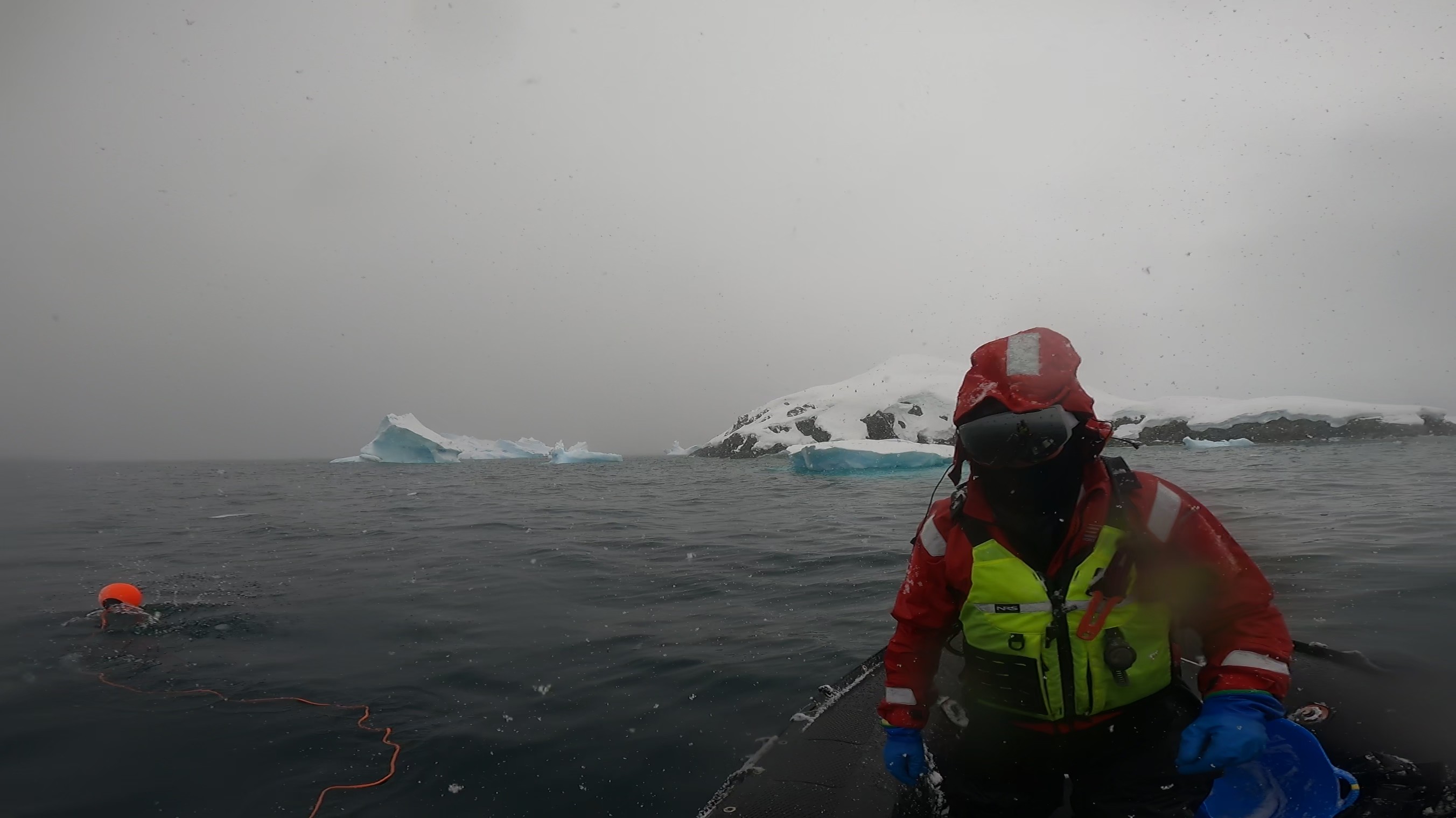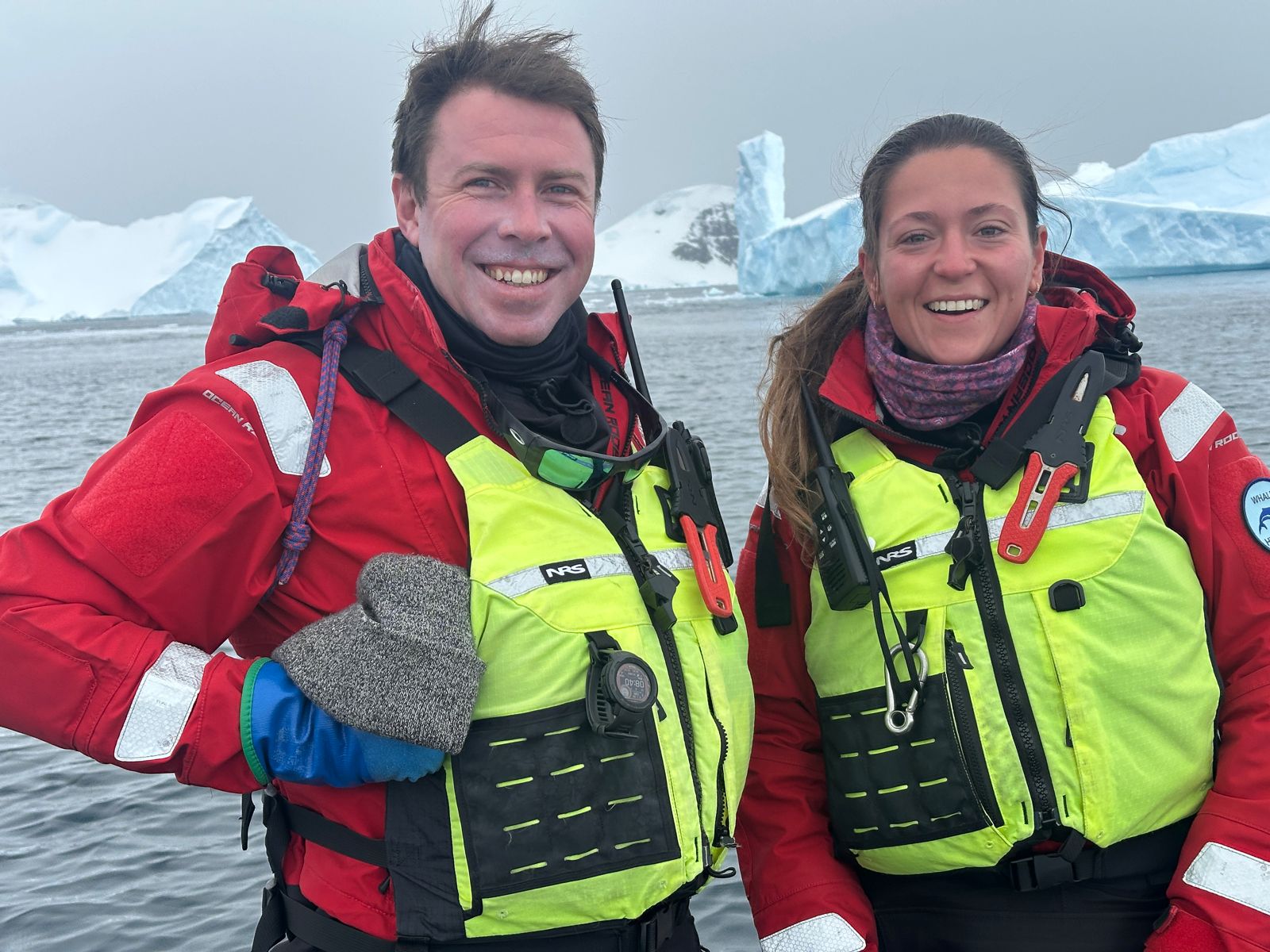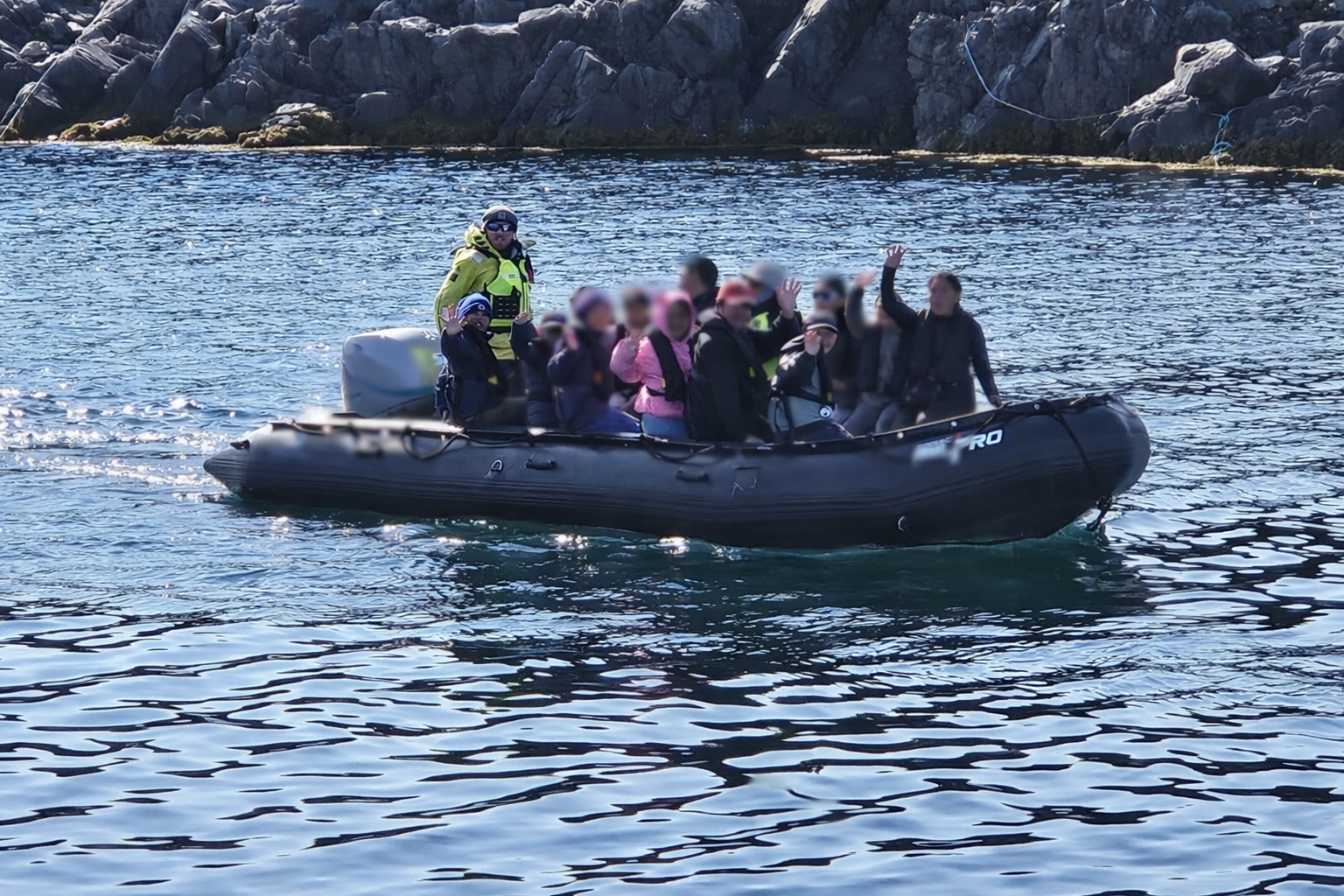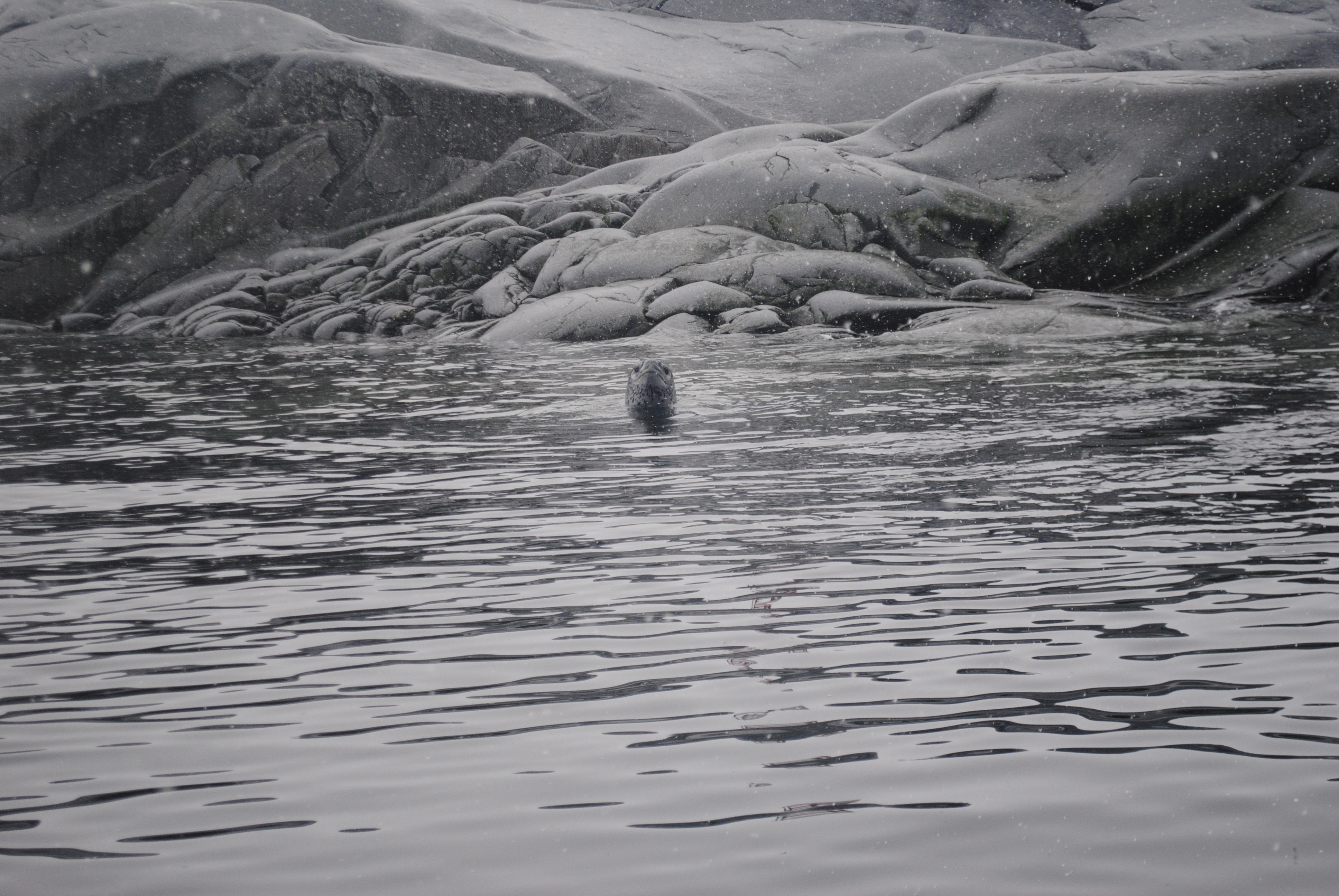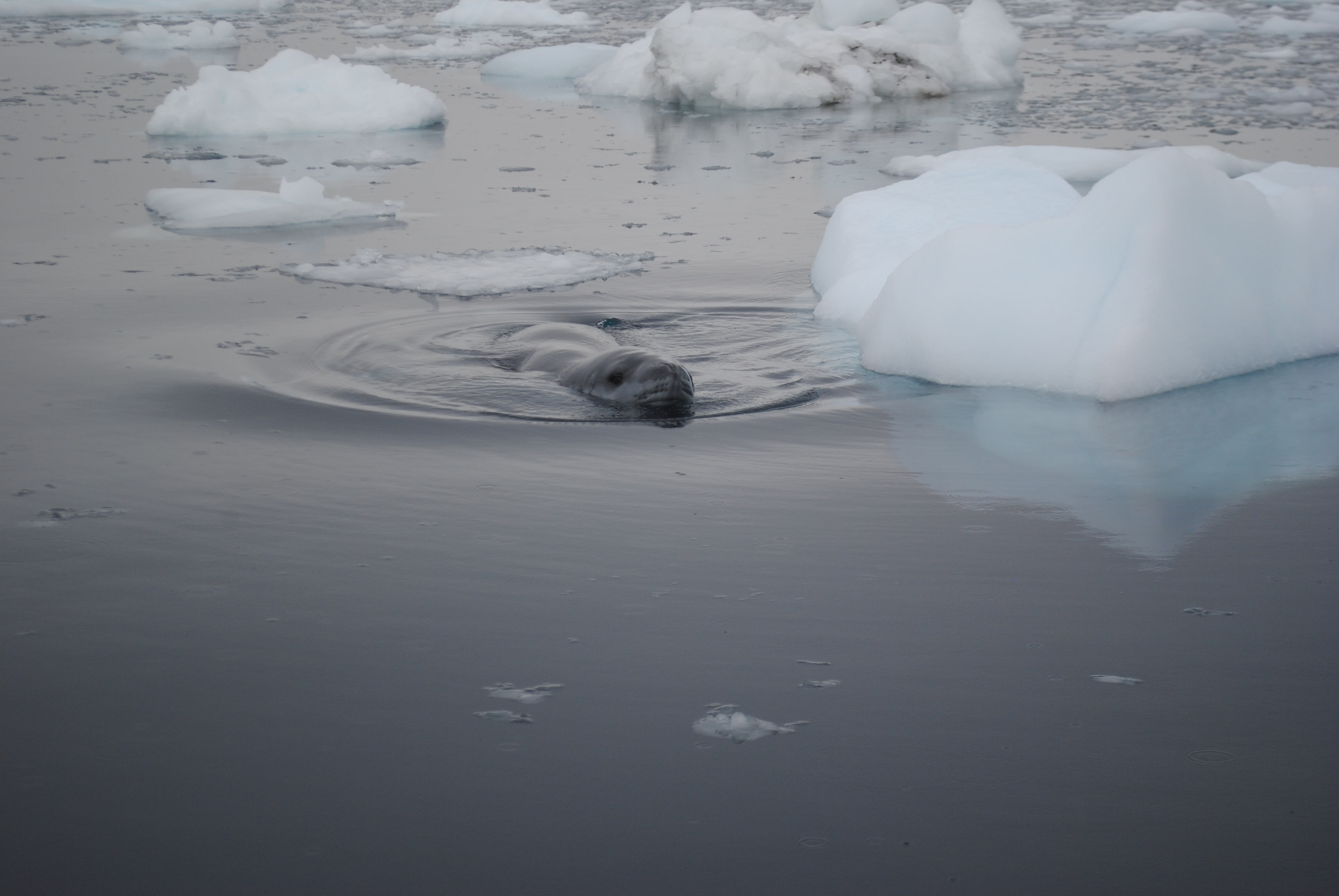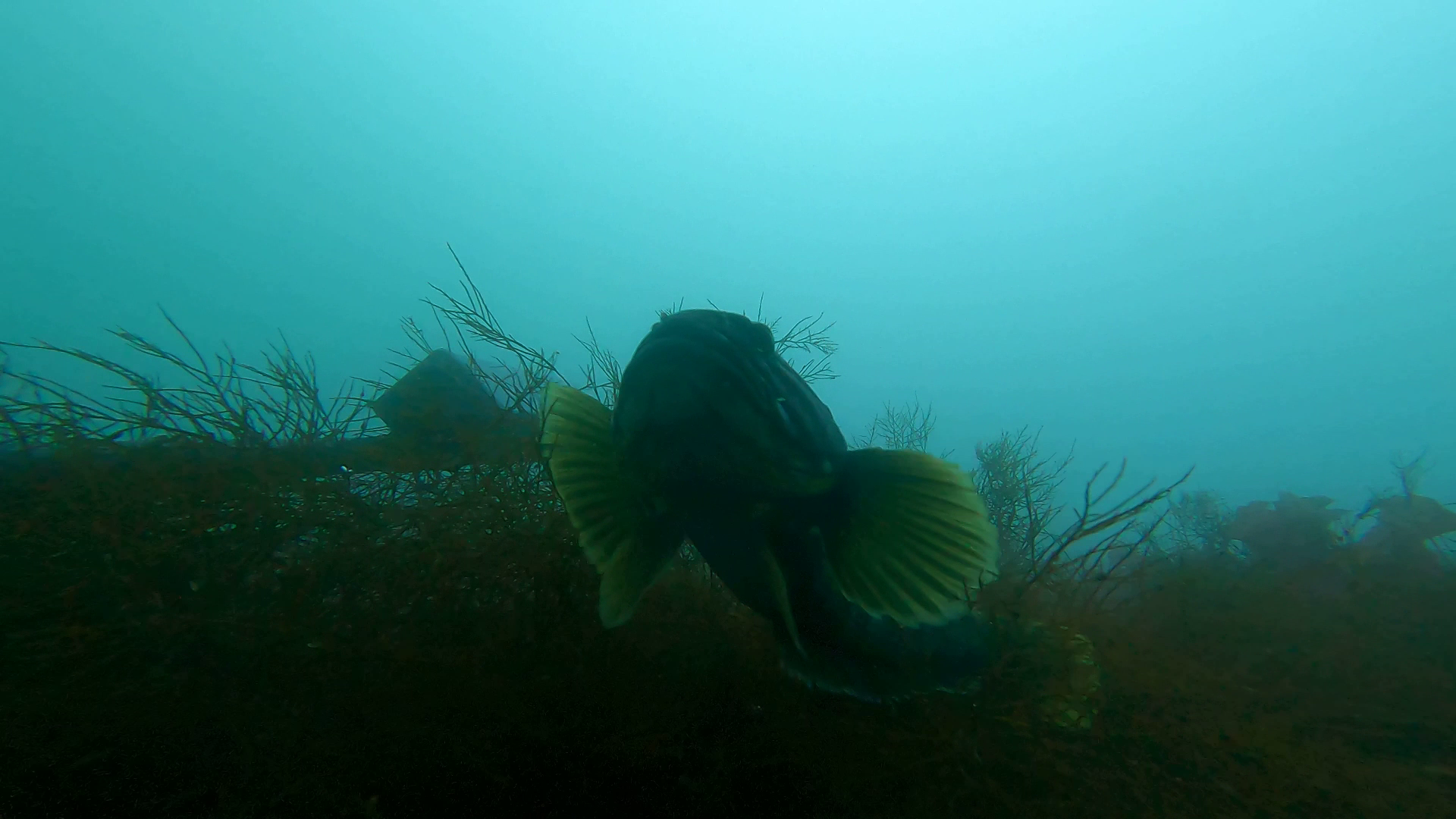
These shots are from dropping BRUVS in Antarctica, which still feels slightly surreal even after doing it a few times.
BRUVS are pretty simple in concept. It’s a camera mounted on a frame with a small bait source out front. You drop it down, leave it for a set time, and it records whatever comes in. No fishing, no divers, no disturbance. Just a clean, repeatable way to sample what’s actually there. From that footage we pull out species presence, relative abundance, behaviour, and build a picture of the community.
I’ve used the exact same setup in Australia. Warm water, clear visibility, fish coming in almost immediately, usually in numbers. You can almost predict what’s going to show up based on habitat.
Antarctica is the complete opposite. Everything about the process is harder. You’re dealing with freezing water, ice, wind, and gear that doesn’t always want to cooperate. Even just handling ropes with gloves on takes twice as long. Then you drop the system into this cold, dark water and wait, not really knowing what you’re going to get back.
But that’s what makes it interesting. Same method, same standardised approach, but two completely different ecosystems. It’s one of the few ways you can directly compare places like tropical reefs and polar systems using the same lens.
And when you finally pull the BRUVS back up, you get a look at a part of the ocean you’d never otherwise see, especially down here.